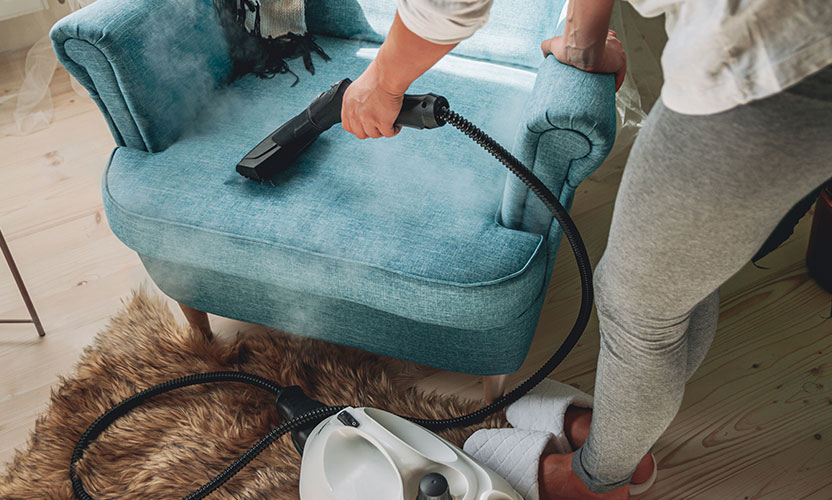
Have you ever thought about how often you clean your upholstery? If not, you might be overlooking a significant factor affecting your family’s health. While it’s easy to forget about, dirty upholstery can harbor many harmful substances that can impact your well-being. This blog post will explore how unclean upholstery can harm your health and provide tips on maintaining a cleaner, healthier home.
What Lurks in Your Upholstery?
First, let’s talk about what might be hiding in your sofas, chairs, and other upholstered furniture. Over time, these items can accumulate dust, pet dander, pollen, mold, and bacteria. Additionally, food particles and pet hair can add to the mess if you eat on the couch or allow pets on your furniture. These substances can lead to several health issues, particularly for those with allergies or respiratory conditions.
Allergies and Asthma
Dust mites are tiny creatures that thrive in dirty upholstery. They are often allergenic and feed on dead skin cells. When you sit on or disturb the upholstery, these mites and their waste products can become airborne, leading to allergy symptoms such as:
- Sneezing
- Runny nose
- Itchy eyes
- Coughing
For individuals with asthma, exposure to dust mites can trigger attacks, making it difficult to breathe.
Pollen can also settle into your furniture, especially during the spring and summer months. This can be particularly troublesome for those who suffer from hay fever. Even if you keep your windows closed, pollen can still enter your home on clothing and pets, eventually making its way into your upholstery.
Respiratory Issues
Mold spores are another hidden danger in dirty upholstery. Mold can grow in moist environments, and mold can start to grow if you spill liquids on your furniture and do not clean them properly. Breathing in mold spores can cause respiratory problems, especially for those with compromised immune systems. Symptoms might include:
- Wheezing
- Shortness of breath
- Lung infections (in severe cases)
Bacteria can also thrive in dirty upholstery. Staphylococcus, for example, can cause skin infections and more serious infections if it enters the body through a cut or abrasion. E. coli, which is commonly associated with food poisoning, can also be present if food particles are left to decay in your furniture.
Skin Irritations
Prolonged exposure to dirty upholstery can also result in skin issues. Dust mites and their waste can cause eczema flare-ups, leading to itchy, inflamed skin. Furthermore, bacteria present on the surface can cause skin infections, particularly in children, who might be more likely to have minor cuts or scrapes.
Mental Well-being
It’s not just your physical health that can be affected by dirty upholstery. Living in an unclean environment can impact your mental health as well. Trash and disorder might make one feel anxious and stressed. Knowing that your furniture harbors potential health hazards can also contribute to a sense of unease and discomfort in your home.
How to Keep Your Upholstery Clean
Given the potential health risks, keeping your upholstery clean is crucial. Here are some practical tips to help you maintain a healthier living environment:
- Regular Vacuuming: Organize yourself to vacuum your upholstery once a week at the very least. Use an upholstery attachment to get into the nooks and crannies where dust and debris can accumulate.
- Spot Cleaning: Address spills and stains as soon as they happen. Use a gentle upholstery cleaner and follow the manufacturer’s instructions to avoid damaging the fabric.
- Professional Cleaning: Consider having your upholstery professionally cleaned every 12 to 18 months. Experts can thoroughly clean your furnishings, efficiently eliminating germs and allergies using their equipment and experience.
- Protective Covers: Use machine-washable covers on your upholstery. These can be removed and cleaned regularly, providing extra protection against dirt and allergens.
- Pet Care: Regular grooming of your dogs can help to lessen shedding. Keeping a lint roller handy can help you quickly remove pet hair from your furniture.
- Air Purifiers: Using an air purifier can help reduce the number of airborne particles, such as dust and pollen, that settle into your upholstery.
- Humidity Control: Keep your home’s humidity levels in check to prevent mold growth. Particularly in moist parts of your house, a dehumidifier might be useful.
Additional Tips for Maintaining a Clean Home
To further reduce health risks, consider these additional tips:
- Wash Your Hands: Regularly washing your hands can prevent the transfer of dirt and bacteria to your upholstery.
- Remove Shoes: To lessen the quantity of dirt and allergies carried inside, ask family members and visitors to take off their shoes before entering your house.
- Regular Dusting: Dust surfaces in your home frequently to reduce the overall amount of dust and allergens.
- Use Doormats: Place doormats at entrances to trap dirt and allergens before they are brought inside.
- Clean Pet Areas: Keep your pet’s bedding and play areas clean to reduce the amount of pet dander and hair in your home.
Conclusion
Maintaining clean upholstery is more than just a matter of looks; it’s essential for your family’s health. Understanding the potential risks and taking proactive steps to keep your furniture clean can create a safer, healthier home environment. Remember, a little effort goes a long way in preventing the buildup of harmful substances that can impact your well-being.

